
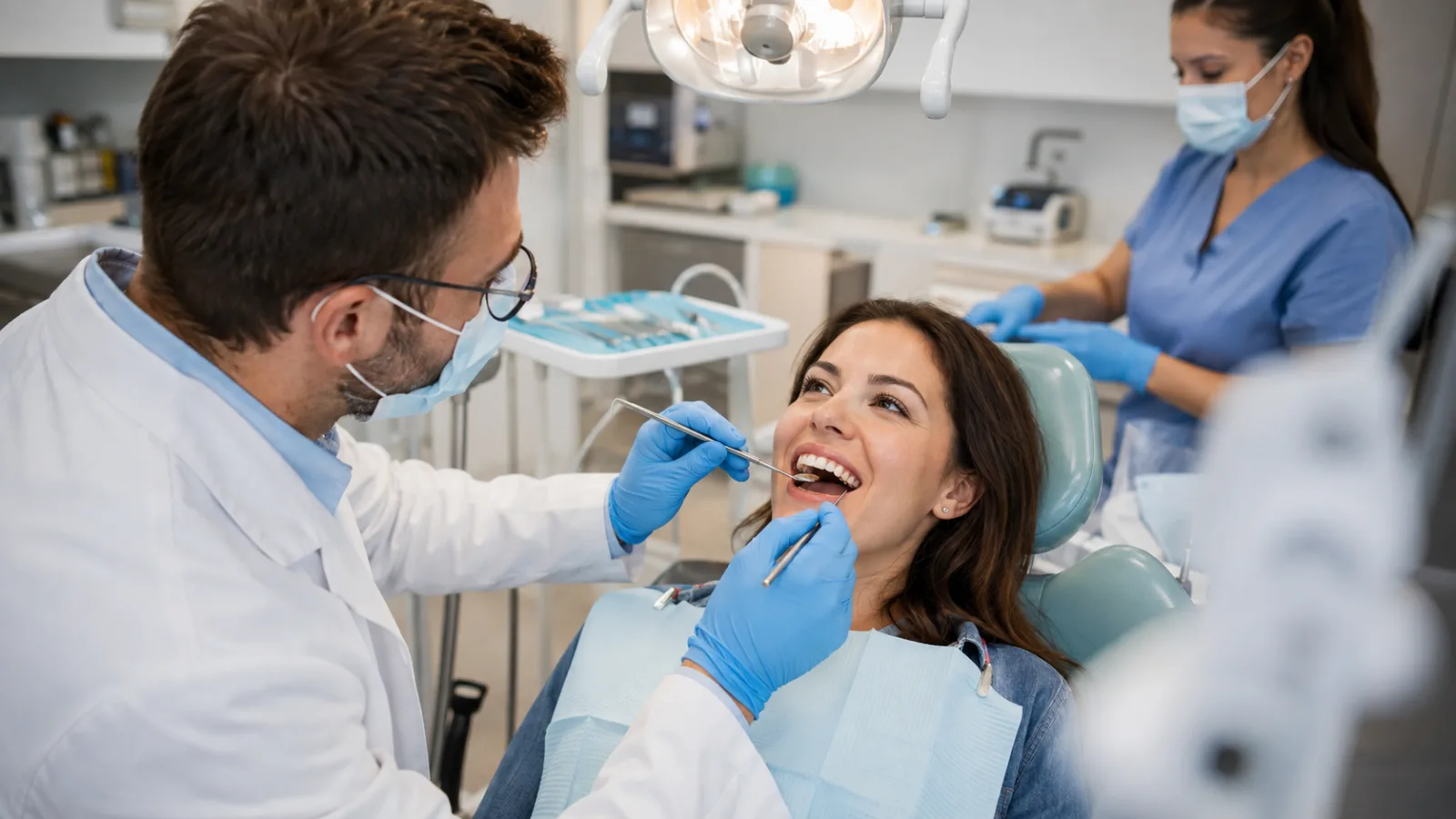
A missing tooth can affect much more than the appearance of a smile. It may change how comfortably a person chews, how clearly they speak, and how confident they feel in everyday situations. Dental implants offer one possible way to replace missing teeth with restorations supported by the jaw.
For people researching dental implants in Arlington, TX, two questions usually come first: “How much will treatment cost?” and “How long will the process take?” The most accurate answer depends on the individual. Bone health, the number of missing teeth, the type of restoration, and healing needs can all shape the treatment plan.
This article provides general educational information and is not a diagnosis or personalized treatment recommendation. A dentist must examine the mouth and review relevant health information to determine whether implants are appropriate.
What Is a Dental Implant?
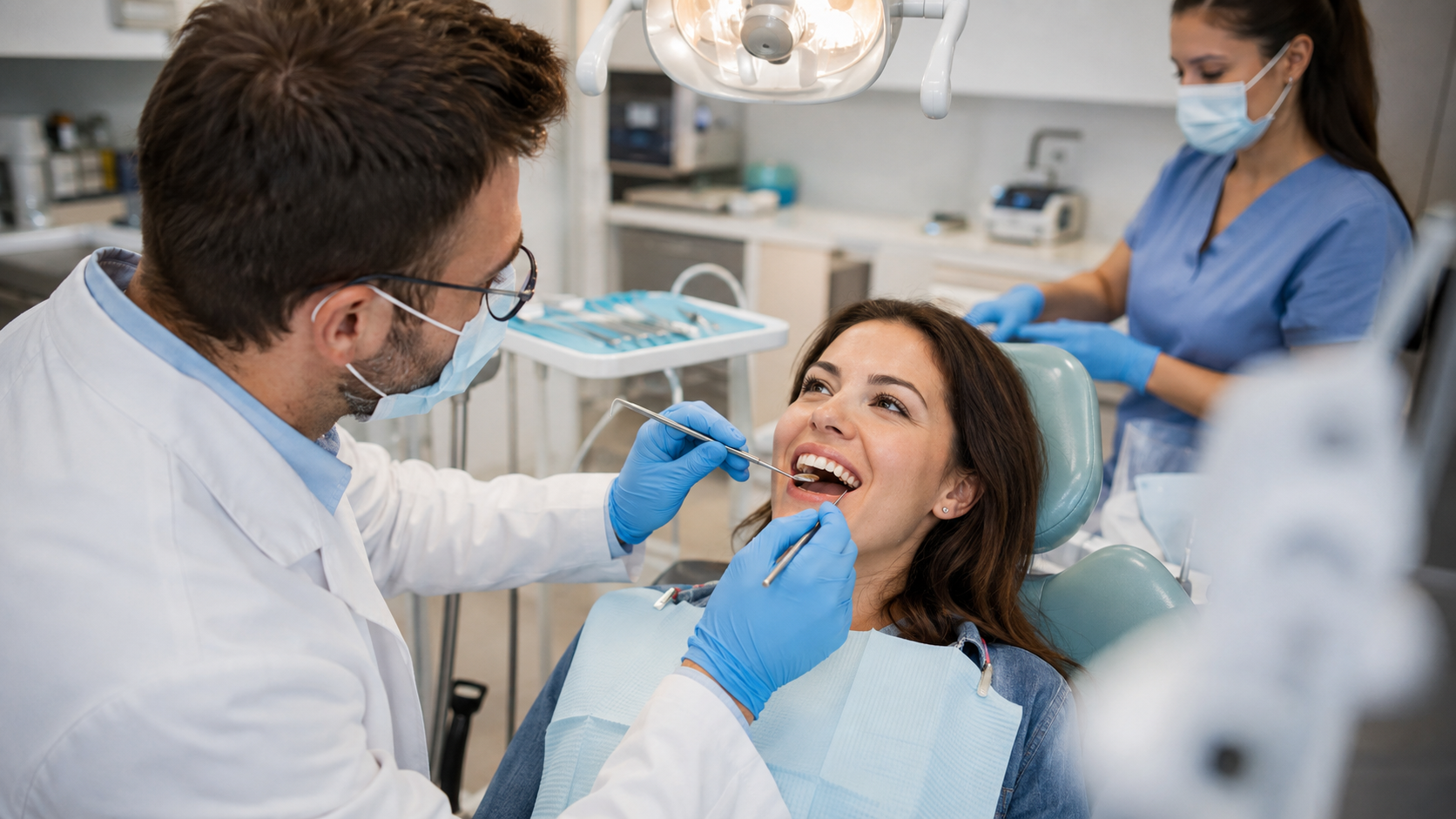
A dental implant is a post placed in the jaw to support a replacement tooth or teeth. It acts as the foundation beneath the gums, while a crown, bridge, or implant-supported denture forms the visible part of the new smile.
These parts have different roles:
- Implant post: The portion placed in the jawbone.
- Abutment: A connector between the implant and the restoration.
- Restoration: The crown, bridge, or denture that replaces the visible teeth.
Dental implants are one of several tooth-replacement choices. Depending on a patient’s needs, alternatives may include a traditional bridge or removable denture. Arlington Dental Associates provides information about these options on its tooth-replacement page.
Who May Be a Candidate for Dental Implants?
Not everyone is automatically a candidate. Implant planning considers the condition of the gums, available bone, the location of the missing tooth, general health, healing factors, and the kind of restoration needed.
A thorough evaluation may include an examination and dental imaging. The dentist will also ask about medications, health conditions, tobacco use, previous dental treatment, and any history of gum problems. These details help the care team plan treatment around the patient rather than using the same approach for everyone.
When bone volume is limited or oral disease is active, preparatory care may be recommended before implant placement. In other cases, a bridge or removable restoration may be more appropriate. The goal of the consultation is to explain reasonable options—not to pressure a patient toward one procedure.
How Much Do Dental Implants Cost in Arlington, TX?
There is no single fee that applies to every dental implant case. An advertisement showing a starting price may cover only one part of treatment, so patients should ask exactly what an estimate includes.
Factors that can affect the total cost
- The number of implants being placed
- Whether one tooth, several teeth, or a full arch needs replacement
- The type and material of the final restoration
- Diagnostic imaging and treatment planning
- Tooth extraction, if needed
- Bone or soft-tissue procedures, when recommended
- Temporary teeth during healing
- The complexity and location of the implant site
- Follow-up care and maintenance
Patients should request a written treatment plan that separates each stage and identifies what is included. Helpful questions include whether the quoted amount covers the implant post, abutment, temporary restoration, final crown, imaging, and follow-up visits.
Does dental insurance cover implants?
Coverage varies by plan. Some policies may contribute toward the restoration or another part of treatment, while others exclude implant placement or apply annual maximums and waiting periods. Medical insurance does not routinely cover dental implants, although unusual circumstances may be handled differently.
Before treatment, patients can ask the dental office for procedure codes and a detailed estimate. They can then contact the insurer to confirm deductibles, benefit limits, exclusions, and expected out-of-pocket costs. Financing options, when available, should also be reviewed carefully for interest, fees, and repayment terms.
The Dental Implant Timeline, Step by Step
Implant care is usually a process rather than a single appointment. It is important to distinguish early symptom recovery, soft-tissue healing, osseointegration, and completion of the final restoration. These phases overlap, but they are not the same.
1. Consultation and planning
The process begins with an examination, imaging, and a discussion of the patient’s goals. The dentist evaluates the implant site and explains possible alternatives, expected stages, costs, and risks.
If a damaged tooth remains, the plan may include an extraction. Implant placement does not always happen on the same day as extraction. An authoritative review of implant timing describes early placement protocols at 4–8 weeks or 12–16 weeks after extraction in selected situations. Those ranges do not apply to every patient, and immediate or later placement may be recommended instead.
2. Preparatory treatment, when needed
Some patients need treatment before the implant post can be placed. This may involve managing oral disease, removing a non-restorable tooth, or improving the implant site. Any preliminary care adds time and cost, but it may be important for creating healthier conditions for treatment.
3. Implant placement
During implant placement, the post is positioned in the planned area of the jaw. The clinical team explains anesthesia, comfort options, home-care instructions, and what the patient should expect afterward.
Early symptom recovery refers to the period when tenderness, swelling, or minor bleeding settles after the procedure. The intensity and duration vary. Patients should follow their own dentist’s instructions and call the office if symptoms are severe, worsen unexpectedly, or do not follow the anticipated pattern.
4. Soft-tissue healing
The gum tissue around the treatment site begins healing separately from the bone. A site can look or feel much better before the implant has fully integrated underneath. That is why feeling comfortable does not necessarily mean the implant is ready to support the final tooth.
Patients may receive instructions about brushing, rinsing, food choices, and temporary restorations. Following those directions helps protect the surgical area while the tissues recover.
5. Osseointegration
Osseointegration is the process in which the bone forms a stable connection around the implant. This deeper healing phase generally takes longer than early soreness or gum healing and may continue for months. Timing depends on bone quality, implant stability, the treatment site, and the planned restoration.
The implant should not be judged ready based only on how it feels. The dentist evaluates healing before moving forward. Research indicates that early failures can occur when an implant does not integrate as intended, while later problems may be associated with peri-implant disease, restoration design, or unfavorable forces. Appropriate planning and follow-up therefore remain important even when overall outcomes are favorable, as discussed in a large dental implant registry analysis.
6. Final restoration
After the dentist confirms that the implant is ready, the restorative phase can begin or continue. Records are taken so the crown, bridge, or denture fits the implant and works with the patient’s bite.
Completion of treatment means that the final restoration has been attached and checked. This happens after the relevant healing and restorative steps; it should not be confused with the end of early symptom recovery. Complex cases or treatment involving multiple implants may require additional appointments.
Comfort and Recovery After Implant Placement
Modern planning, local anesthesia, and clear home-care instructions can make implant treatment more manageable. Patients who feel anxious should mention it during the consultation. The dental team can explain what sensations to expect and discuss appropriate comfort measures.
After placement, patients should use medications only as directed and avoid disturbing the site. They should also follow personalized instructions for eating and cleaning. Contacting the dentist promptly is appropriate if bleeding will not slow, pain or swelling becomes unexpectedly worse, the implant or temporary tooth feels mobile, or there are other concerning changes.
Dental implants are not guaranteed to last indefinitely. Early failure may occur if integration does not develop as planned, and later complications can involve inflammation around the implant or excessive bite forces. Regular dental visits give the team an opportunity to monitor the gums, restoration, bite, and surrounding bone.
How to Care for Dental Implants Long Term
Implants cannot develop cavities, but the tissues around them still need consistent care. Plaque can collect around an implant restoration just as it does around natural teeth.
Long-term care generally includes:
- Brushing thoroughly with a soft-bristled toothbrush
- Cleaning between the implant and neighboring teeth
- Using any floss threader, interdental brush, or water flosser recommended by the dental team
- Attending professional cleanings and examinations
- Reporting looseness, bleeding, swelling, or bite changes
- Wearing a nightguard if one is prescribed for clenching or grinding
The best cleaning method depends on the restoration. A single implant crown may require a different technique than an implant-supported bridge or denture, so patients should ask for a demonstration.
Questions to Ask at an Implant Consultation
A well-informed patient should feel comfortable asking questions. Useful topics include:
- What tooth-replacement options are appropriate for this situation?
- Is there enough healthy bone for an implant?
- Will any preparatory procedures be needed?
- What temporary tooth option may be available?
- What does the written estimate include?
- How will healing be evaluated?
- Who will place the implant and create the restoration?
- What maintenance will the restoration require?
- What risks are most relevant to this individual case?
Arlington Dental Associates also offers an overview of considerations on its dental implants page.
Frequently Asked Questions
Are dental implants painful?
The area is typically numbed during implant placement. Tenderness and swelling can occur afterward, but the experience varies by procedure and patient. The dentist should provide individualized comfort and aftercare instructions.
Can a tooth be placed on the implant immediately?
Sometimes a temporary restoration can be provided early, but immediate placement or loading is not suitable for everyone. Implant stability, bone conditions, bite forces, appearance, and the type of restoration all influence timing.
How long does the complete implant process take?
There is no universal timeline. The full process may include planning, extraction or site preparation, implant placement, osseointegration, and fabrication of the final restoration. A personalized timeline should separate early symptom recovery from tissue healing and deeper bone integration.
Can older adults receive dental implants?
Age alone does not answer whether implants are appropriate. Oral health, general health, medications, healing factors, bone conditions, and the ability to maintain the restoration all require evaluation.
Are implants better than bridges or dentures?
No single option is best for every patient. Implants do not rely on neighboring teeth in the same way as some traditional bridges, but they involve surgery and healing. Bridges and dentures may be appropriate depending on health, anatomy, preferences, timing, and budget.
How can a patient get a reliable cost estimate?
The most useful estimate comes after an examination and imaging. Patients should request an itemized plan showing the implant, abutment, restoration, preparatory care, temporary teeth, and follow-up services when applicable.
Explore Dental Implant Options in Arlington
Dental implants can provide stable support for replacement teeth, but a successful plan begins with careful evaluation and realistic expectations. Understanding the separate phases of treatment makes it easier to compare options, plan for costs, and prepare for recovery.
Patients considering dental implants in Arlington, TX can contact Arlington Dental Associates to ask questions or arrange a consultation. The practice is located at 4654 S Cooper St, Ste 316, Arlington, TX 76017. Visit the contact page or call (817) 557-0095 to discuss the next step.