
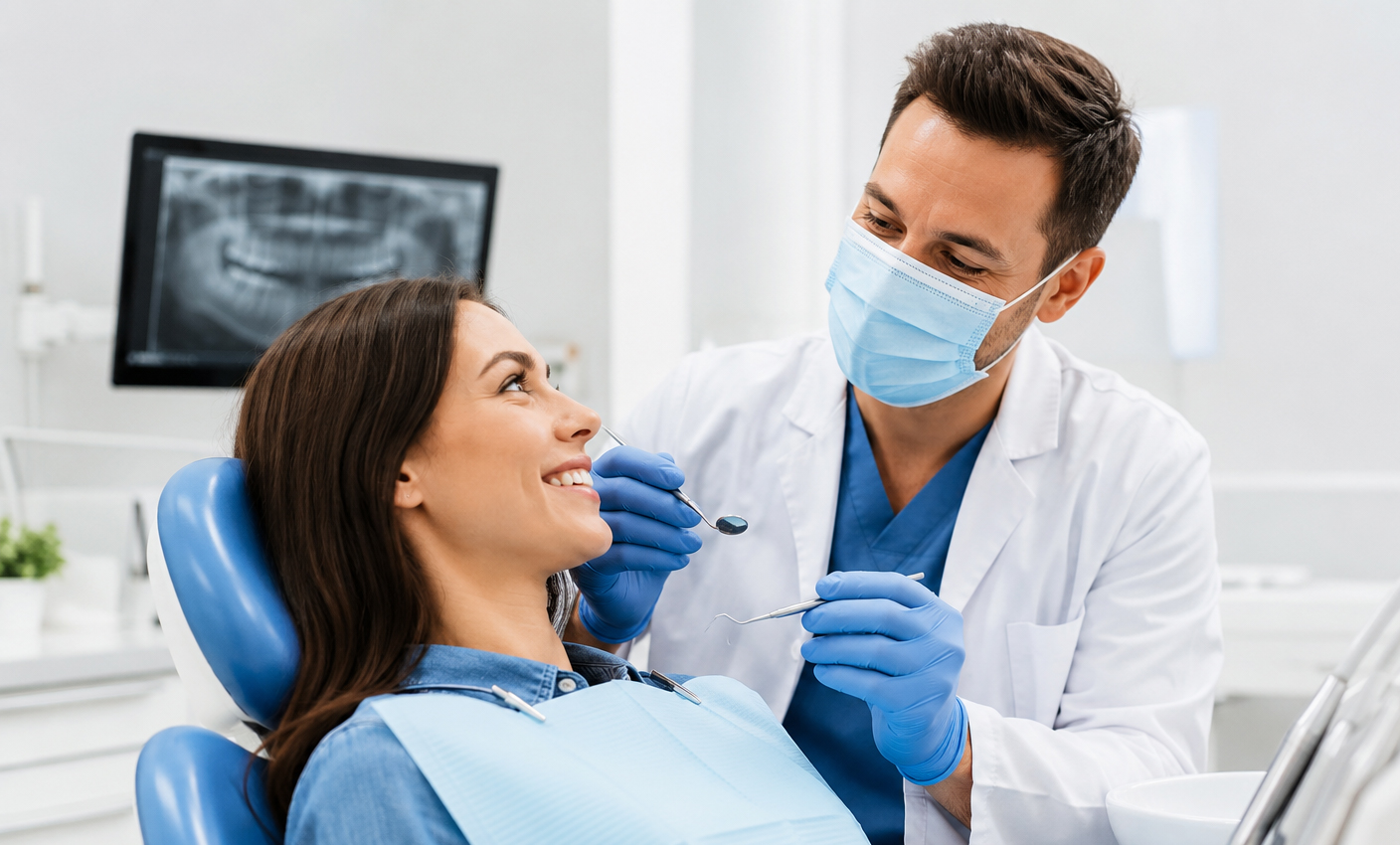
Choosing a dentist is a personal decision. Patients are not simply looking for someone who can examine their teeth. They are looking for a dental home where they feel comfortable asking questions, discussing concerns, and making informed decisions about their health.
For anyone searching for a dentist in Arlington, TX, the number of choices can feel overwhelming. A helpful way to narrow the search is to focus on the qualities that matter most: clear communication, preventive care, patient comfort, convenient access, and treatment recommendations tailored to the individual.
This guide explains what to consider before scheduling and what to notice during a first appointment.
This article provides general educational information and is not a substitute for an examination, diagnosis, or personalized advice from a licensed dentist.
Start With the Kind of Dental Experience You Want
Every patient has different priorities. One person may want a practice that can care for several members of the family. Another may be returning to dentistry after a long break and need an especially patient, reassuring team. Someone else may want to discuss replacing a missing tooth or improving the appearance of a smile.
Before comparing practices, it helps to write down a few priorities. These might include:
- A welcoming environment for nervous patients
- Care for different ages and stages of life
- Clear explanations before treatment begins
- Convenient hours and an accessible Arlington location
- Help understanding insurance and payment options
- Modern dental technology
- Options for preventive, restorative, or tooth-replacement care
There is no single “best” dentist for everyone. The better question is whether a practice feels like the right long-term fit for the patient’s needs.
Look for an Emphasis on Preventive Care
Preventive dentistry is an important part of maintaining a healthy smile. Regular examinations give a dental team an opportunity to assess the teeth, gums, bite, and other oral structures. Professional cleanings can also address buildup that brushing and flossing may leave behind.
A prevention-focused practice should do more than tell patients to brush. The team should be willing to discuss daily habits, demonstrate helpful techniques, and explain how factors such as diet, dry mouth, tobacco use, medications, or previous dental work may affect oral health.
The right schedule for dental visits is not identical for every person. A dentist can recommend an appropriate interval after reviewing the patient’s current oral health and risk factors.
Pay Attention to Communication
Dental language can sound complicated, but patients should not need a clinical vocabulary to understand their options. A good dental team explains findings in plain language and creates room for questions.
During an appointment, patients should feel comfortable asking:
- What did the examination show?
- Is treatment needed now, or can the area be monitored?
- What are the available options?
- What are the benefits, limitations, and possible risks?
- How many appointments may be involved?
- What might happen if treatment is delayed?
- What costs are expected?
Clear communication does not mean promising a particular outcome. It means helping the patient understand the recommendation and participate in the decision. Patients should also receive a chance to discuss their medical history, medications, allergies, previous dental experiences, and current concerns.
Consider Comfort Before and During the Visit
Dental anxiety is common, and it can range from mild nervousness to a strong fear that makes scheduling difficult. A compassionate practice will take those concerns seriously rather than dismissing them.
When contacting an office, a patient can mention any anxiety, sensitive teeth, difficulty becoming numb, strong gag reflex, mobility concern, or negative past experience. Sharing this information early allows the team to discuss ways to make the visit more manageable.
Simple comfort measures can make a meaningful difference. These may include explaining each step, agreeing on a hand signal for breaks, allowing extra time for questions, or dividing care into smaller visits when clinically appropriate. Available comfort options vary, so patients should ask the practice directly.
Ask How Technology Supports Patient Care
Modern dental technology may help a dentist examine the mouth, plan care, document changes, or explain findings. However, technology is most valuable when it supports thoughtful clinical judgment and better patient understanding.
Instead of focusing only on whether an office has the newest equipment, patients can ask how the team uses its tools. For example:
- Will the dentist show and explain images or findings?
- How does the technology help with treatment planning?
- Will it improve comfort, communication, or efficiency?
- Are recommendations still based on the patient’s individual needs?
Arlington Dental Associates provides information about its approach to high-technology dentistry for patients who want to learn more before visiting.
Make Sure the Practice Can Discuss Changing Needs
Dental needs can change over time. A patient who currently needs routine preventive care may later need help with a damaged tooth, changes in gum health, or a missing tooth. Finding a practice that encourages long-term planning can reduce uncertainty when new concerns arise.
If a patient is considering a specific procedure, it is reasonable to ask whether the office evaluates or provides that type of care. For example, Arlington Dental Associates offers patient information about dental implants and the topics to discuss when considering a replacement tooth.
Not every treatment is appropriate for every patient. Recommendations depend on an examination, oral and overall health, personal goals, and other clinical factors. In some cases, a dentist may also recommend consultation with another dental or medical professional.
Review Location, Hours, and Accessibility
Convenience matters because a dental practice is easier to visit consistently when it fits into everyday life. Patients may want to consider travel time from home, work, or school, along with parking, building access, and appointment availability.
Arlington Dental Associates is located at 4654 S Cooper St, Ste 316, Arlington, TX 76017. Current office hours, directions, and visit-planning details are available on the practice’s contact page. Saturday visits may be available by appointment, and patients are encouraged to call for current availability.
Anyone with mobility or building-access questions should contact the office before the appointment. Confirming the arrival time and any necessary preparation can also make the first visit smoother.
Understand Insurance and Payment Details
Dental costs can vary based on the examination findings, the type and extent of care, materials used, insurance coverage, and other factors. A trustworthy office should be prepared to explain estimated fees and answer financial questions before non-urgent treatment begins.
Before scheduling, patients may want to ask:
- Does the office work with the patient’s dental insurance plan?
- What information should be brought to the first visit?
- Can the team provide an estimate of the patient’s expected portion?
- When is payment due?
- Are payment arrangements available for eligible treatment?
An estimate is not always a guarantee of insurance payment. The insurance company makes the final coverage decision, so patients should review their plan documents or contact the insurer when they need confirmation.
Know What to Expect at a First Dental Visit
The exact format of a first appointment depends on the patient’s needs and the practice’s procedures. In general, the visit may include a discussion of dental and medical history, current symptoms or goals, a clinical examination, and any images the dentist considers appropriate.
The dentist can then explain the findings and discuss possible next steps. A cleaning may occur during the same visit, but that is not always possible or appropriate. The type of cleaning needed depends on the condition of the teeth and gums, and an urgent concern may require a more focused appointment.
How to prepare
Patients can help the visit run smoothly by bringing identification, insurance information, a medication list, relevant health details, and any available dental records requested by the office. It can also help to make a short list of questions.
Those experiencing pain should describe where it hurts, when it began, what makes it better or worse, and whether there is swelling, fever, injury, or another concern. Severe swelling, trouble breathing or swallowing, heavy bleeding, or significant facial trauma may require urgent medical attention rather than waiting for a routine appointment.
Notice How the Practice Makes You Feel
Credentials, technology, and convenience all matter, but the patient experience matters too. After a call or first visit, it may help to reflect on a few questions:
- Did the team listen without rushing?
- Were explanations clear and respectful?
- Was there an opportunity to ask questions?
- Were options discussed without pressure?
- Did the practice feel organized and welcoming?
- Would the patient feel comfortable returning for preventive care?
Trust often develops over time. A positive first interaction can provide a useful indication that the practice values communication and lasting patient relationships.
Frequently Asked Questions
How often should someone visit a dentist?
There is no universal schedule that is right for every patient. The appropriate frequency depends on oral health, gum condition, cavity risk, medical history, and other individual factors. A dentist can recommend a schedule after an examination.
What should a new patient ask when calling a dental office?
A new patient can ask whether the office is accepting patients, what type of appointment to schedule, what records or insurance information to bring, when to arrive, and whether any preparation is needed. Concerns about anxiety, accessibility, pain, or a specific treatment should also be mentioned.
Can a patient visit a dentist even after years without care?
Yes. Patients return to dental care for many reasons, and there is no need to feel embarrassed. The first step is an evaluation of current needs. From there, the dentist can explain priorities and help create a manageable plan.
Should dental pain be treated as an emergency?
Dental pain should not be ignored, but the appropriate response depends on its cause and severity. Patients should call a dentist promptly for guidance. Severe swelling, difficulty breathing or swallowing, uncontrolled bleeding, or major facial trauma can require immediate emergency medical care.
How can someone find a dentist who is comfortable working with anxious patients?
The person can call before scheduling and explain the concern. Helpful questions include how the team communicates during treatment, whether breaks are available, and what comfort options the practice offers. The response can reveal a great deal about the office’s approach.
Where is Arlington Dental Associates located?
Arlington Dental Associates is located at 4654 S Cooper St, Ste 316, Arlington, TX 76017. Patients can call (817) 557-0095 with scheduling, access, or visit-planning questions.
Take the Next Step Toward a Comfortable Dental Home
Choosing a dentist in Arlington, TX comes down to more than finding the nearest office. A strong dental home should offer clear explanations, respect personal concerns, emphasize prevention, and help each patient understand available options.
Arlington Dental Associates welcomes patients at 4654 S Cooper St, Ste 316, Arlington, TX 76017. To ask a question or plan a first visit, explore the practice website or call (817) 557-0095. A simple conversation can be the first step toward feeling more informed and confident about dental care.